
On Waiting

Waiting in the cancer world is a familiar experience. The weight of waiting.
Scans. Waiting rooms. Waiting for phone calls and test results. Waiting gowns of different colors and types. Waiting for a pain medication to kick in. Waiting for distractions. Waiting for yourself to remember everything. Weight.
I’m familiar with the weight. I know this land. I know this language. I know this world. But I do not - I do want to want to go back to it.
In the next few weeks I’ll be heading into my fifth mastectomy surgery. I have a gene, chek2, that gives me a higher risk of breast cancer, but also a high family history. My first surgery was Dec 2017, after having two years of surveillance and watching tumors grow. Alternating breast MRI’s and 3d mammograms every six months. Watching. Waiting. Weight.
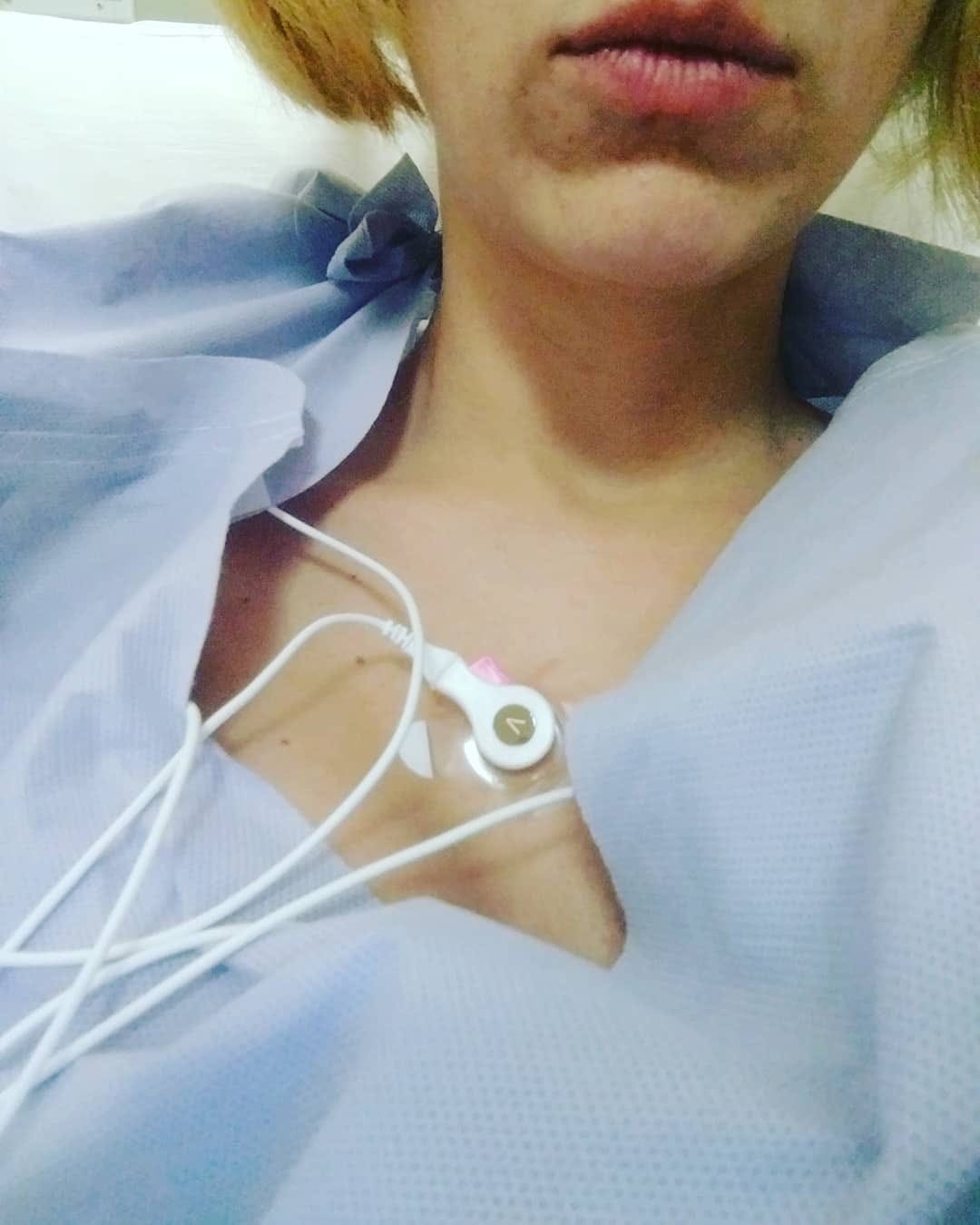
My next surgeries would come in March 2017, with a revision surgery on one side, then the exchange surgery in May 2018, then another revision for capsular contracture in September 2019. I’m now waiting for the surgery to be scheduled.
Each time, each surgery, brings its accoutrements - drains, physical therapy, nerve pain, bone pain, occupational therapy, prescriptions, emergency room visits for pain, charts, smell of iodine and IV taste in my mouth, nerve pain and bone pain and incision pain and muscle pain. Each surgery has been hard. Each memory embedded into my body.
And now I face another.
I’ve been making art about the breast cancer experience for many years. I’ve known this land and this work for many years - almost my whole life. My mom was diagnosed with stage two breast cancer when she was 37, and I was 14. It would later metastasize to stage four, and she passed away at age 45.
Breast cancer is all too common - 1 in 8 women will get breast cancer in the lifetimes. It affects them - there in the concentric circle - but it also affects the friends, family, and community of that person. All too often we only see and hear stories of the beginnings and the afters - stories with neat bows -
“it was hard, but I got better.”
All too often our representations of breast cancer are reduced to pink ribbons, language of warriors, language of battles, language of strength.
All too often we are not equipped as a community, or as a people, to discuss these hard things. So we don’t talk about it, and that hurts everyone.
Language matters and representation matters. It changes things. When we only have this cultural and media representation of breast cancer as these sanitized inspiring messaging, it doesn’t grant those in the concentric circles the opportunity to live and breathe in their lived experiences. It also doesn’t allow space for their friends, family, or community to learn what this world, or experience is like. They also aren’t allowed their full and necessary experience of their emotions. As such, it limits their ability to be prepared to support, or even be present for, that person that they love that has cancer.
While I was recovering in bed from my first mastectomy surgeries, I created a body of artwork - an exhibition that is a visual representation of breast cancer. I have been working on it since.
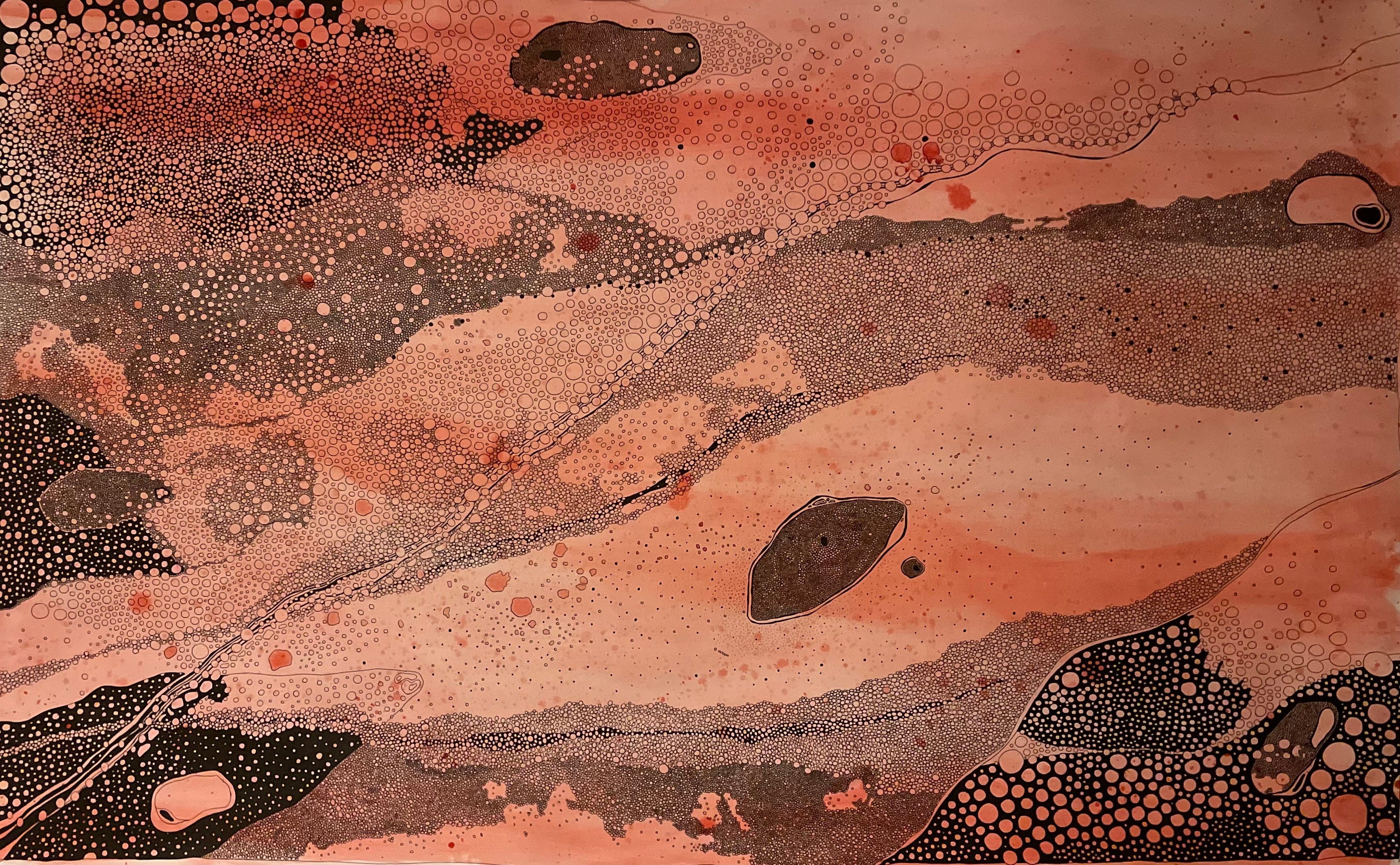
Over the years, I’ve spoken to and worked with 1500+ women from 10 countries who have breast cancer, have had breast cancer, or are previvors (those that have a gene or high family history) and while there are messages of hope. However, echoed over and over again are women who are in the midst of their experiences - their cancer, their surgery, their treatments, their weight, their waiting, and they share over and over again how alone they feel. They also have deeply nuanced and full experiences of pain, grief, anger, sadness, joy, mindfulness, care, love, bargaining, hope, fear, denial, and more.
In my art, and in this work, I ask: what happens when people can share their stories, and connect through them, and what if they can’t?
Audre Lorde shares in her book The Cancer Journals: “My silence had not protected me. Your silence will not protect you.”
This is a powerful call to break the isolating silence around illness, vulnerability, and trauma. Silence fails to shield us, instead amplifying alienation and denying individuals and communities the opportunity to process and understand the full complexity of lived experiences.
We need more stories - stories that capture the in-between moments and create space and safety for those who are waiting and carrying the weight. We need stories before the neat bow, stories that represent the full breadth of experience and hold space for pain, healing, and solidarity.
The first time I faced a mastectomy at 34, I documented the full experience. The preparation, the work, the healing, and the waiting. All the while, I connected to and spoke with other women navigating the same process. Together, we held each other, shared the weight, and represented the nuanced reality of our lives.
Now, at 41 and preparing for my fifth mastectomy, I find myself in the same in-between space. The waiting, the weight. I aim to document this experience again and continue to speak with and hold space for women moving through the same work.
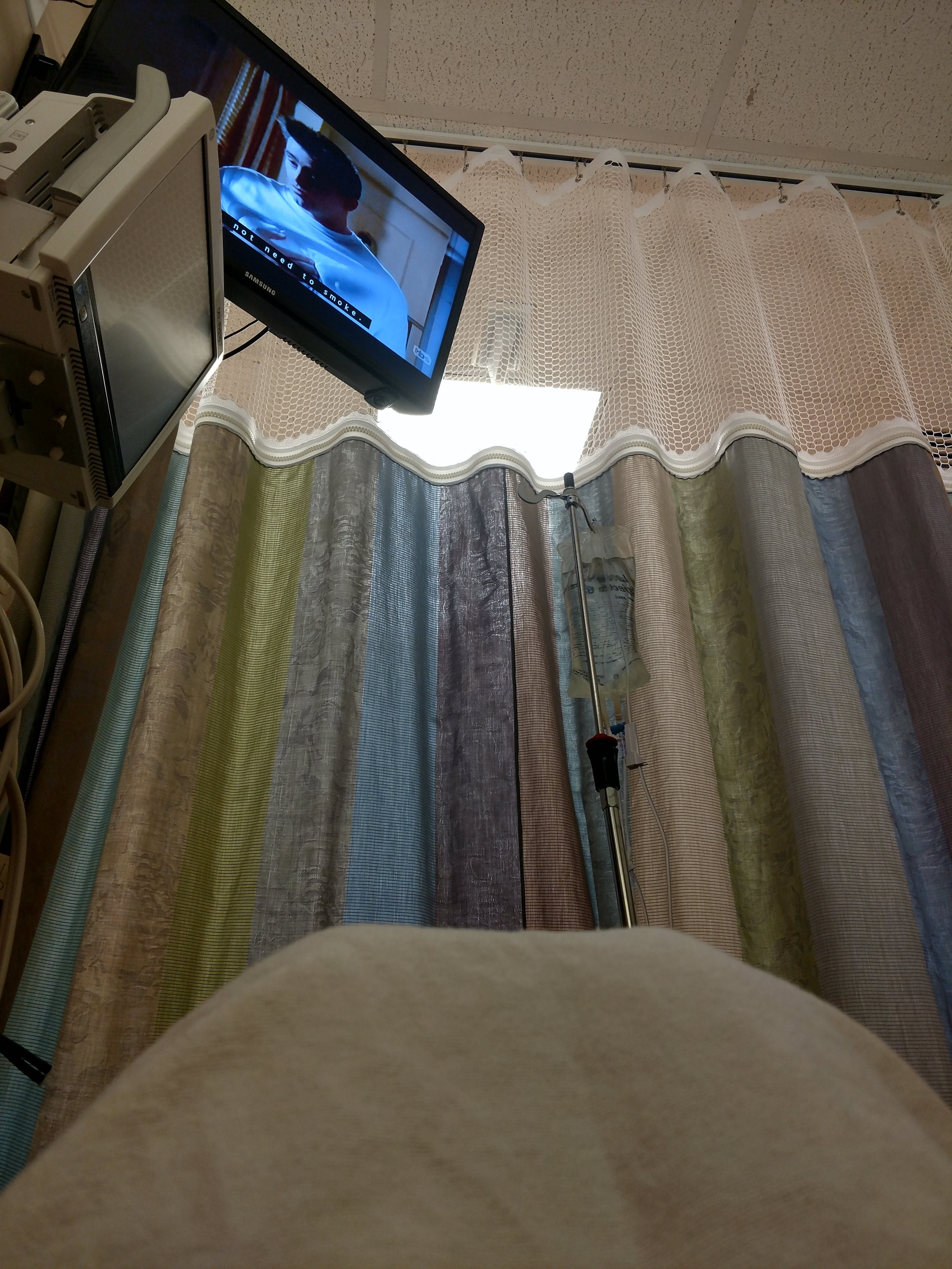
Sharing these stories is an act of reclamation, empowerment, and transformation - not only for those of us living through it but also for the communities who must learn to see, understand, and support the full scope of these experiences in order to hold ourselves and hold community. Now, I will begin to share this next experience.
Silence denies us that space; storytelling creates it.
Thank you for sharing this intimate and scary journey. I hope your openness brings strength and purpose to your situation. I admire you for this. At 62, I’ve navigated a few challenging moments. I hope I did so with the grace and thoughtfulness you are showing now.